Sustainable Solutions: How E-Waste Recycling Services Are Saving Our Planet
Electronic waste presents serious dangers to the environment, as discarded electronics often contain toxic materials. These hazardous substances can contaminate soil and water, leading to broader ecological damage. E-waste recycling initiatives provide a practical answer. They successfully retrieve useful resources while simultaneously minimizing environmental pollution. Comprehending the operation of these services and their influence on communities is of great importance. The path to successful electronic waste management prompts vital discussions about personal accountability and communal efforts. What measures can be pursued from this point onward?
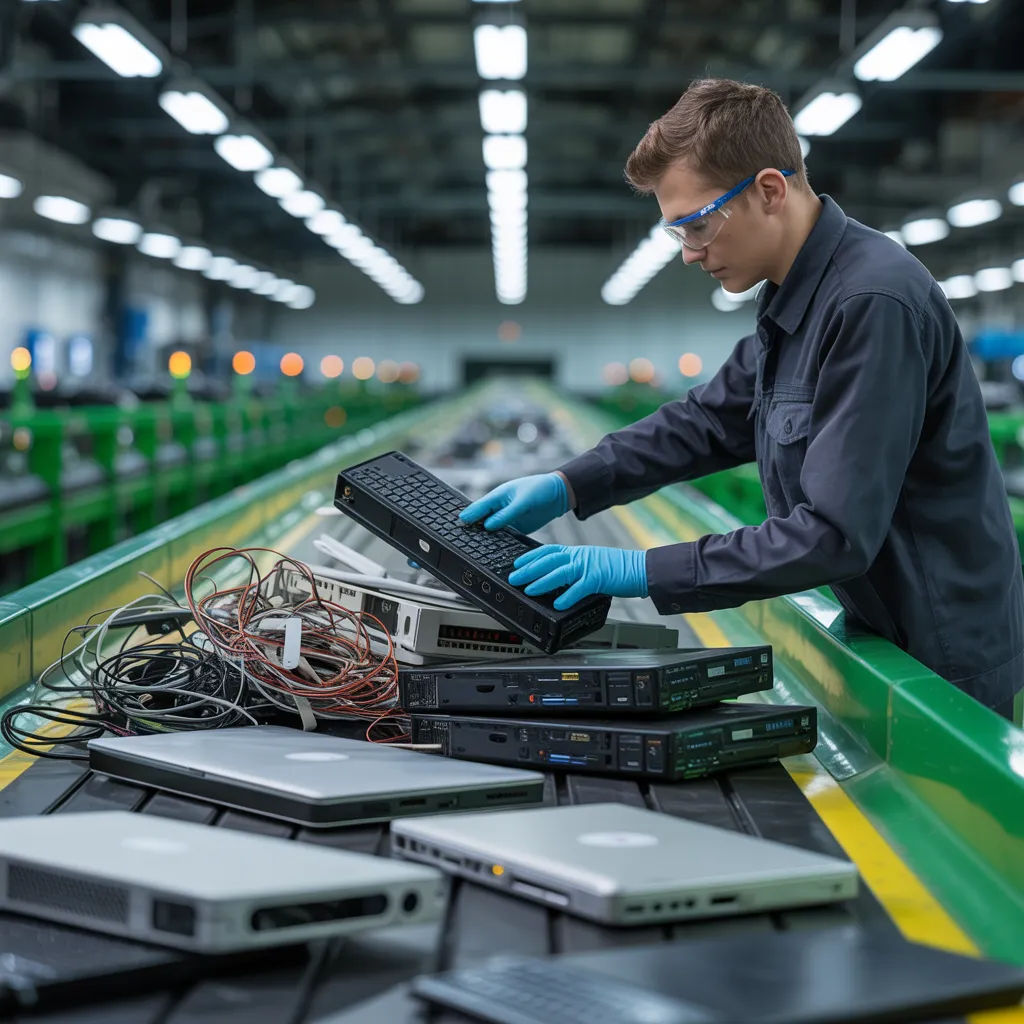
Why E-Waste Is Bad for the Planet
Although technological advancements improve modern life, e-waste creates significant environmental threats. Discarded electronic devices, often containing hazardous materials such as mercury, lead, and cadmium, are capable of seeping pollutants into the surrounding soil and water supply, creating hazards for human health and ecosystems. The swift progression of technology leads to higher rates of electronics disposal among consumers, exacerbating the accumulation of electronic waste.
Landfills, already strained by waste, are unable to keep up with the rising quantities of abandoned electronics. Incineration, a common waste management technique, emits dangerous pollutants into the environment, degrading atmospheric conditions. Moreover, poor recycling procedures can cause e-waste to be sent to developing regions, where employees may disassemble electronics without sufficient safety precautions, leaving them vulnerable to harmful substances. This cycle of neglect and improper handling underscores the urgent need for sustainable recycling solutions that can mitigate the adverse effects of e-waste on the planet.
Understanding E-Waste and Its Significance
E-waste, also referred to as electronic waste, comprises unwanted electronic equipment such as smartphones, computers, and televisions that have reached the end of their useful life. This growing category of waste is significant owing to its accelerating volume, fueled by innovation in technology and shifting consumer habits. With an increasing number of devices reaching obsolescence, the ecological consequences become more pronounced, with harmful substances like lead, mercury, and cadmium presenting serious hazards to the environment and human well-being.
The importance of addressing e-waste lies not only in mitigating these hazards but also in recognizing the valuable materials it contains. Critical metals and rare earth components can be reclaimed and recycled, decreasing the reliance on mining and protecting natural resources. Through a deeper awareness of e-waste and its consequences, both individuals and organizations can make well-informed choices regarding disposal and recycling, thereby supporting a more sustainable future. Responsible management of e-waste plays a key role in supporting a circular economy and championing environmental stewardship.
The Way E-Waste Recycling Functions
The recycling of e-waste encompasses a systematic process aimed at reclaiming useful resources while limiting ecological damage. Initially, e-waste is collected and transported to purpose-built recycling plants. After reaching the facility, the equipment is meticulously organized to isolate dangerous parts from recoverable materials.
After this step, workers dismantle the electronics, recovering plastics, metals, and glass. This phase is essential, as it enables the recovery of valuable metals like gold, silver, and copper, which can be recycled in new electronic devices.
Afterward, the divided materials are handled with cutting-edge techniques, such as chemical treatments and shredding, to cleanse them for recycling.
In the final step, the remaining hazardous waste is handled with responsibility, complying with environmental regulations. This systematic method not only conserves resources but also minimizes the hazards linked to unsafe e-waste handling, guaranteeing a greener future for the consumption of electronics.
How E-Waste Recycling Benefits You and Your Community
Although it often goes unnoticed, the positive effects of e-waste recycling go far beyond individual benefit and actively shape entire communities. By responsibly disposing of electronic waste, individuals help foster a safer environment, minimizing hazardous materials that can seep into soil and water. This responsible method helps preserve local ecosystems and promotes public health.
In addition, e-waste recycling fosters employment opportunities within local communities. Community recycling operations commonly require workers for a range of functions, from collection to processing, consequently creating meaningful employment for community members. This not only boosts the local economy but also fosters community involvement in eco-friendly practices.
Furthermore, awareness of e-waste recycling can lead to community outreach programs, equipping residents to pursue greener alternatives. By enrolling in e-waste recycling programs, individuals nurture a culture of sustainability, inspiring others to embrace similar practices. All things considered, the cumulative impact of these actions can result in a more strong and environmentally aware community.
Tips for Choosing an E-Waste Recycling Service
Choosing the right e-waste recycling service is crucial for making sure that electronic waste is managed with responsibility and sustainability. To begin, consumers should confirm the company's credentials, such as e-Stewards or R2, which demonstrate adherence to industry standards for responsible recycling methods. Additionally, it is advisable to examine the company's standing by reviewing feedback and looking for referrals from reliable sources.
Furthermore, clarity in the recycling process is essential. A dependable company should supply straightforward details about the way e-waste is handled and what becomes of the materials. Moreover, considering the scope of services provided can prove valuable; various firms may supply retrieval services or extend benefits for recycling.
Finally, familiarizing yourself with local guidelines related to e-waste disposal can help inform the selection process. By prioritizing these factors, people are able to support efficient electronic waste handling while also advancing sustainable environmental efforts.
How You Can Take Part in E-Waste Recycling?
Engaging in e-waste recycling may begin at the local level, where local recycling facilities regularly supply essential services for responsible disposal. Furthermore, joining community awareness campaigns can strengthen efforts to raise awareness about the importance of responsible e-waste management. These initiatives not only advance environmental sustainability but also cultivate a collective sense of stewardship of the environment.
Local Recycling Centers
Many regional recycling hubs serve a vital function in electronic waste recycling, supplying communities with reliable ways to manage electronic waste appropriately. These stations receive a range of electronic equipment, including outdated computers, mobile phones, and TVs, making certain that hazardous materials are managed safely. The majority of facilities employ knowledgeable personnel who are able to assist individuals with correct disposal techniques, emphasizing the importance of recycling over landfilling. Additionally, numerous facilities provide planned drop-off gatherings or set collection days, making it easy for residents to participate. By utilizing these local services, residents support a circular economy, minimizing ecological impact and fostering sustainable behaviors. Partnering with these facilities allows communities to address e-waste pollution proactively.
Community Awareness Campaigns
Local organizations, schools, and businesses can collaborate to host events that promote e-waste collection drives. Volunteers can play a pivotal role in raising awareness, sharing informational resources, and connecting with local residents. As a result of these combined actions, community members grow more knowledgeable and inspired to dispose of their electronics responsibly, thereby helping to build a greener and more sustainable tomorrow.
Common Questions and Answers
What Kinds of Electronics Can Be Recycled?
Various electronics are able to be recycled, including laptops, televisions, smartphones, printers, computers, and gaming consoles. Additionally, accessories such as keyboards, mice, and batteries are also suitable for recycling, promoting sustainable environmental practices.
Are There Fees Involved With E-Waste Recycling?
Yes, e-waste disposal sometimes comes with costs, depending on the facility. Some facilities impose charges for pickup or handling, while other facilities provide no-cost solutions, typically funded by the proceeds from salvaged materials.
What Are the Benefits of E-Waste Recycling for Businesses?
Companies can take advantage of e-waste recycling by lowering disposal expenses, improving their green reputation, meeting compliance standards, recovering valuable materials, and possibly earning income through resale, ultimately contributing to a more sustainable operational strategy.
What Occurs with Data on Recycled Devices?
Details from repurposed equipment is frequently irretrievably wiped or destroyed during the refurbishment process. This ensures private details is kept safe, stopping improper access See it here while permitting materials to be recycled safely and responsibly across new manufacturing processes.
Can I Recycle Broken Electronics?
Absolutely, non-functioning electronics may be recycled. Numerous centers process defective devices, guaranteeing safe disposal and extraction of valuable materials. Doing so helps lower harm to the environment while supporting responsible recycling practices to address e-waste effectively.